Social Media Marketing NZ: A Builder's Guide
A practical social media blueprint for NZ builders who want better work.

June 6, 2026

2025-11-05T09:48:46.977Z

A practical social media blueprint for NZ builders who want better work.
Social media marketing in NZ is no longer a nice-to-have for builders. It is a core part of your toolkit. Platforms like Instagram and Facebook are your digital showroom, showing your craftsmanship to clients across New Zealand around the clock. It is word-of-mouth with a reach your best clients could only dream of.
Not long ago, a solid reputation and a sign on the fence kept work flowing. That has changed. Your clients are not just driving past your sites. They are scrolling their feeds, researching builders long before they call. A professional social presence puts you on their shortlist from day one.
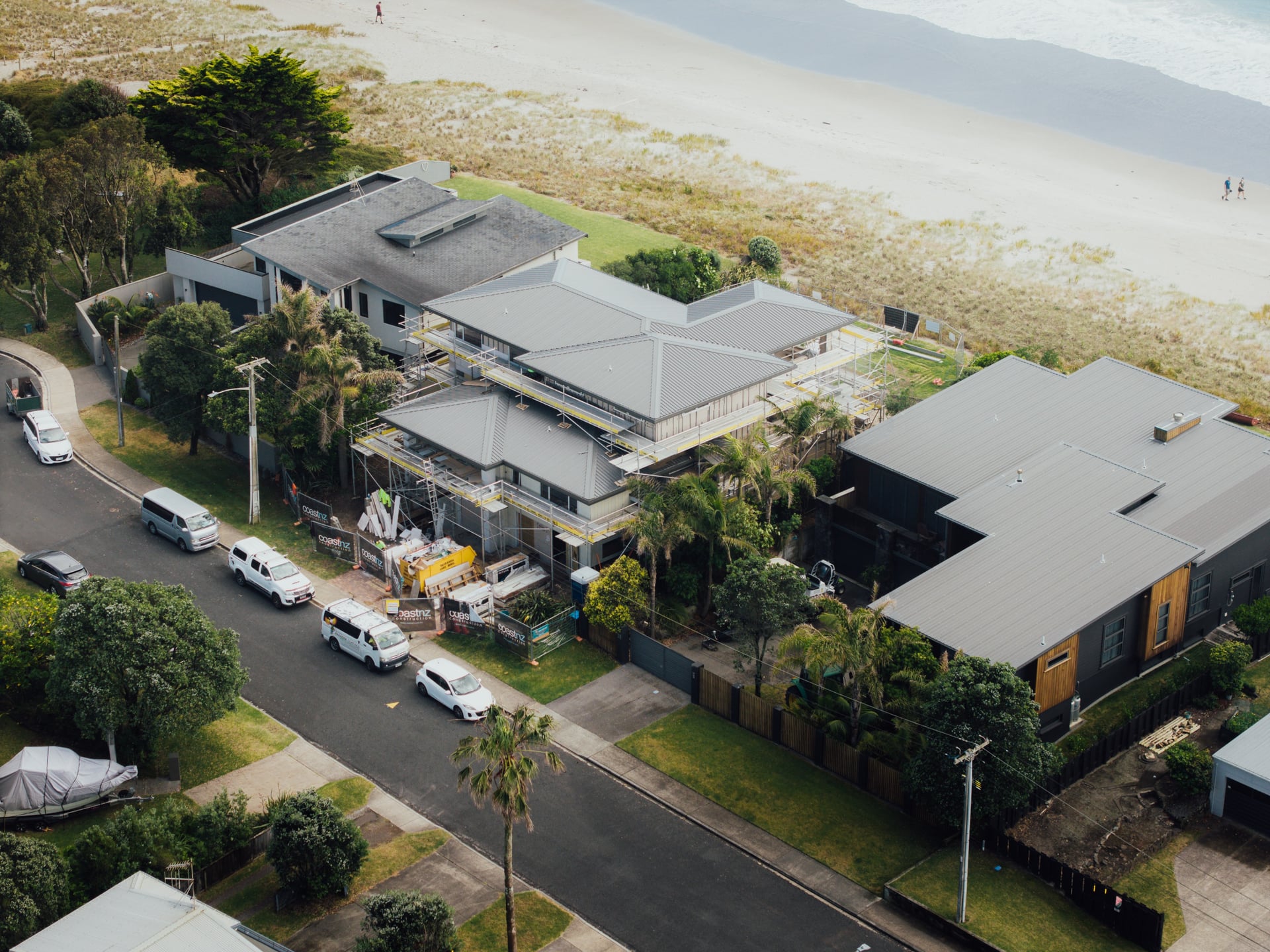
It is about building trust before you shake hands. When a homeowner sees consistent, high-quality updates, from a foundation pour on a new build in Tauranga to the finishing touches on a coastal renovation in the Coromandel, they see proof of your skill. It answers their biggest questions: are these builders reliable, and do they do quality work?
Forget vanity metrics. For a building company, the real value comes down to results that affect your bottom line.
New Zealand has very high internet use, with 96.2% of the population online and 79.1% active on social media. That is nearly 4.14 million Kiwis you could reach where they spend their time. Social becomes a true power tool when it generates leads, turning followers who admire your work into clients who hire you. This is not about becoming an influencer. It is about positioning yourself as a trusted, expert builder.
You do not need to be everywhere. Trying to cover every platform burns time and budget for little return. Be selective and show up where your ideal clients look for a builder they can trust. For builders in NZ, that means Instagram, Facebook, and LinkedIn. Each has a different job.
Instagram is visual proof of your quality. A few high-quality photos of a finished architectural build in Queenstown, or a video walkthrough of a renovation in Auckland, say more than a thousand words. As of early 2025 Instagram has 2.50 million users in New Zealand, reaching almost half the population, with 58.6% of Kiwi adults on the platform. You can dig into the latest NZ social media trends on datareportal.com. Use it for showcasing craftsmanship, building a premium brand feel, and attracting quality-focused clients.
If Instagram is your polished portfolio, Facebook is your local community hub. It is less about the perfect final shot and more about relationships and trust in your own backyard. Share progress updates, introduce the team, and get involved in local community groups. Put it to work to connect with your local area, humanise your business, and generate local leads through targeted ads to specific postcodes.
LinkedIn is about professional credibility. You will not find many residential clients here, but it is essential for connecting with architects, developers, commercial project managers, and top-tier subcontractors. A well-maintained profile and updates on completed commercial projects position you as a serious, organised operator, which opens the door to bigger, more profitable partnerships.
Focus on one or two platforms and do them well rather than being average on all three. As you find a rhythm, turn project photos and clips into short videos. For practical tips, see our guide on effective social video production.
A good plan is like a good blueprint. It stops expensive mistakes and gets you a solid result. Jumping on social media without a strategy wastes time and cash. Here is a practical framework.
Before you post a single photo, know what you are trying to achieve. 'More followers' is not a business goal. Real goals tie to business outcomes:
Get clear on who you are talking to. You cannot be everything to everyone. Think about the best project you ever worked on. Who was that client? What do they value: sustainable materials, high-end finishes, a builder who sticks to schedule and budget? Where do they spend time online? Knowing this lets you create content that speaks directly to them.
A simple content plan keeps you consistent. Work in content pillars, a few core themes you rotate through:
Match your primary goal, whether visual craftsmanship, local community, or professional networking, to the platform best suited for that job.
Consistency is everything. You do not need to post daily, but you do need a regular rhythm. Aim for two to three quality posts a week and use a simple calendar. Just as important, when someone comments, reply. It shows you are an active, professional business. For businesses looking to scale without hiring in-house, professional social media management in NZ can be a smart next step.
Your work speaks for itself, but only if people can see it. Your content is the visual proof that you are as good as you say. You do not need an expensive camera. Your smartphone can capture high-quality photos and video that get clients excited to work with you.
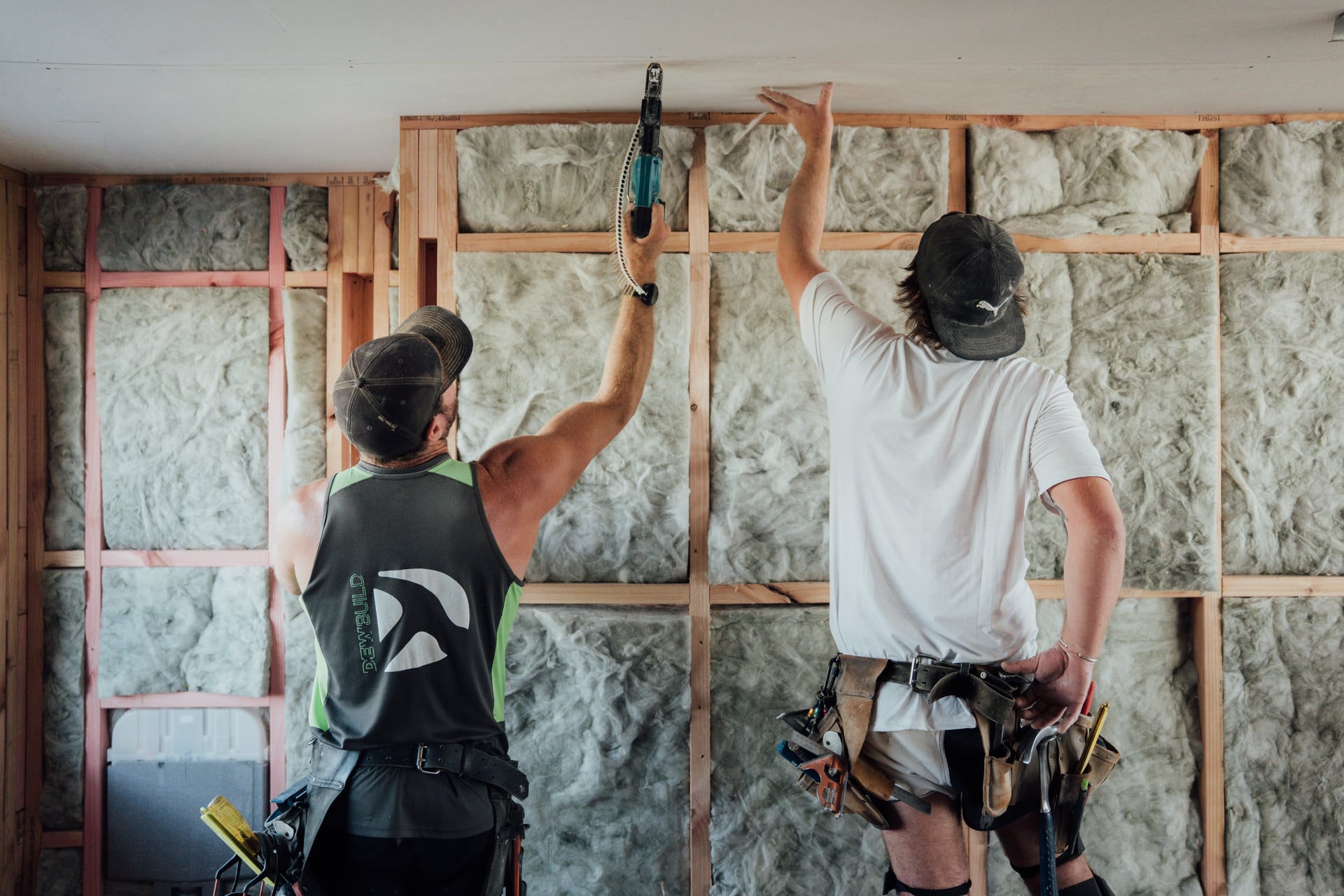
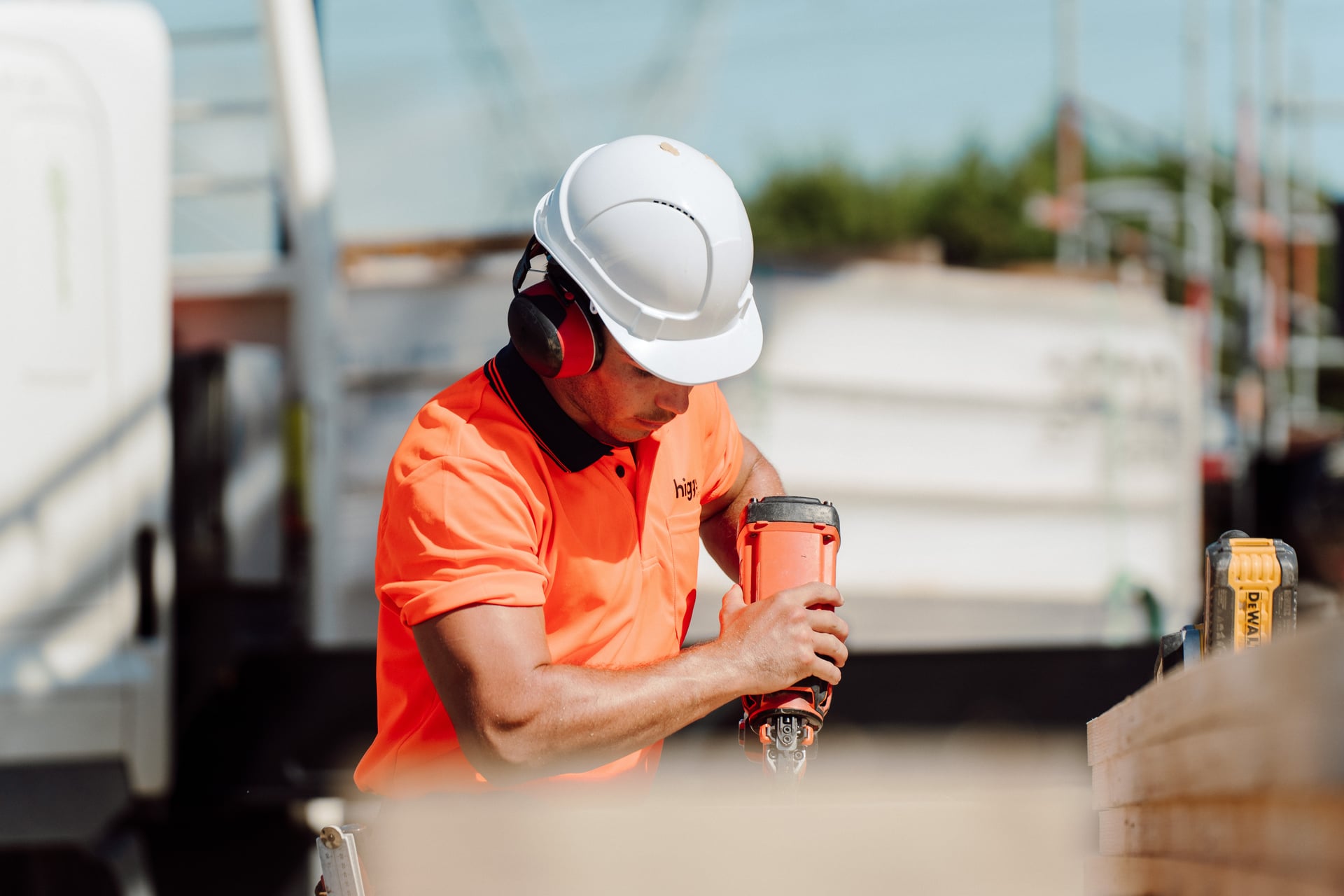
The best content does more than show a finished house. It tells a story about quality, your process, and your team.
Your captions tell the story. The best ones are simple, honest, and straightforward, just like you would explain things on site. Instead of 'Another project finished,' try: 'Handed over the keys to this coastal new build in Mangawhai today. The custom cedar cladding and polished concrete floors were key features for the client. A big effort by the whole team.' That tells a client three things: you work in their area, you handle custom features, and you have a solid team. For more, our guide to builder content creation offers simple frameworks.
Regular social media is a sign on your workshop door, great for people already looking for you. Paid advertising is a billboard on the busiest motorway in your target suburb. Suddenly your work is seen by thousands of the right people, fast. For builders this is not about boosting random posts. It is a calculated move to fill your schedule with the projects you want.
You do not need a huge budget. You can start with as little as $10 to $20 a day and still reach thousands of potential clients in your area. See it as an investment. If a $300 campaign lands one decent project, the return is large. Start small, test what works, and scale up when you see results.
This is where social advertising shines for a building company. The targeting is precise, which matters in NZ where you want specific regions or suburbs. You can target by:
Digital ads give you clear data. Watch a few simple metrics: reach (how many saw your ad), clicks (how many visited your site or profile), and leads (how many filled out your form or called). Social media ad spend in New Zealand is projected to reach around US$459.46 million by 2025. Facebook still reaches over 3.4 million Kiwis, and Instagram is a powerhouse for people actively planning home projects.
You do not need to live on your phone. A solid starting point is 2-3 hours a week: one hour to plan, another spread across posting and replying, and 30 minutes to review what worked. A few quality posts a week beat a dozen rushed ones. Simple scheduling tools push posts out automatically, a big time-saver when you are flat out on site.
It happens. Never ignore or delete a genuine negative comment, that looks like you have something to hide. Meet it publicly with a calm, professional tone: acknowledge their point ('We are sorry to hear you had this experience'), then take it offline ('Please send us a private message with your details and we will look into it'). That shows every other reader you are accountable.
Not necessarily when you are starting out. The most authentic content often comes straight from you, on site, solving problems. As your business grows and time gets squeezed, a marketing partner who understands construction can help you scale, run more complex campaigns, and free you to build.
You can grow organically, but it is a slower grind. Paid advertising guarantees thousands of your ideal clients see your best work. Even a small, targeted budget lets you reach homeowners in a specific neighbourhood, get in front of architects, or showcase a specific service. A modest, focused campaign that lands one quality project has more than paid for itself.
Ready to build a brand that is as professional online as you are on site? Be seen. Be trusted. Be who they call. Book a no obligation call with Onsite Media.

Social media becomes a power tool when it turns followers who admire your work into clients who hire you.